The Best Way to Learn Moroccan Arabic Fast!
Tired of nodding your way through Moroccan conversations and hoping for the best? You’re not alone. Moroccan…


Australia +61 (0) 3 8400 4713 New Zealand +64 (0) 9 9097866

Australia
+61 (0) 3 8400 4713
New Zealand
+64 (0) 9 9097866

Tired of nodding your way through Moroccan conversations and hoping for the best? You’re not alone. Moroccan…

Mastering the Arabic language is not just about using proper grammar and spelling. There’s a whole world…
In the 21st century, the ability to communicate in any language other than your own has never…
Arabic cultures are a complex, heterogeneous and beautiful mix of traditions, beliefs, and customs that are often…
This year, the FIFA World Cup will take place from 21 November to 19 December in Qatar,…

How many times have you said to yourself “This year, I’m finally going to learn a language…
Still hesitating to study this marvellous language? If so, take a look at some of the reasons why you should make it a priority to learn Arabic this year.
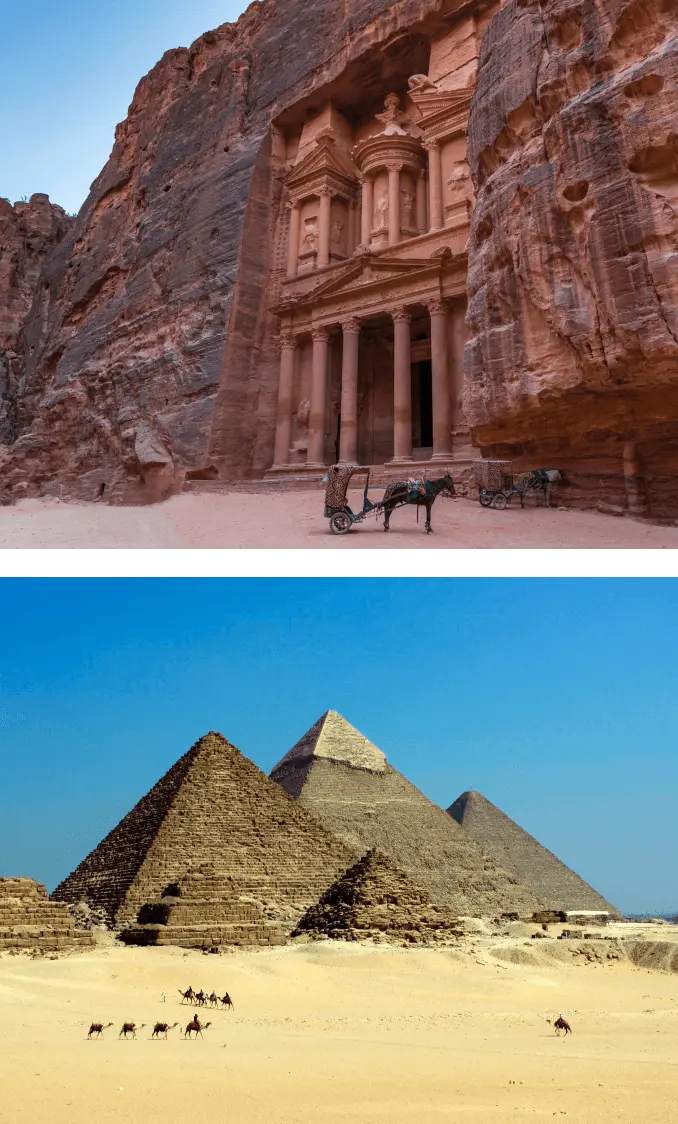
Did you know that Arabic has official status in 26 countries? This means that if you become bilingual, you’ll be able to visit places like Palestine, Mauritania, Libya, Algeria, Qatar, Yemen, Lebanon, Egypt, Morocco and the UAE and get by perfectly well there. Once you can communicate in Arabic, you’ll start to experience these countries differently, as you’ll be able to understand their values, their traditions and the way they see the world, which will make it much easier for you to connect with the locals and build wonderful relationships with them, so if you’ve always dreamed about visiting any of these locations, start learning Arabic today and you won’t regret it. On top of that, learning this language will also open up many opportunities for you to get closer to the large Arab communities that live in countries like the United States, the UK, Chile, and Brazil, so as you can see, this language skill will come in handy all around the world.
Learning Arabic can be a great way to reconnect with your heritage and get closer to your relatives who live abroad, so if you happen to have family in countries like Lebanon, Syria, Saudi Arabia, or any other Arabic-speaking country, what are you waiting for to become a fluent speaker? Once you do, you’ll be able to understand your roots, have a newfound respect for your ancestors and improve your relationship with the part of your family who doesn’t speak English very well, which can be a life-changing experience. On the other hand, if it’s not you but your spouse who has an Arab family, learning the language can be a really smart thing to do, as it will open up the chance to build a solid relationship with them, and be respectful of their values and traditions.
If you want to become more employable in Australia, learning Arabic is the way to go, as once you master the language, you’ll become eligible for amazing job positions in top Arab companies that operate in Australia, such as SABIC, DP World or Arab Bank Australia Limited. In addition to this, if you speak the language, you’ll be able to take advantage of the successful economic relations between Australia and the United Arab Emirates, which is the country’s largest Middle Eastern trading partner, and start doing business with people from Dubai and other important locations and attract more international clients. If this wasn’t enough, learning the language will also improve your business relationships with Australians who are part of the foreign-born community, so it can be a great way to expand your business and find new employees or business partners who speak Arabic.
Interested in reading more about this topic? Then check out the 5 Amazing Benefits of learning Arabic.
Studying Arabic is a great way to push yourself, test your capabilities and widen your horizons, so if you’re looking for a new personal challenge, start learning this fascinating language today. Although it can be daunting to learn a new alphabet, practise saying new sounds and read from right to left, it can also be one of the most fulfilling things you do, as you’ll exercise your brain and open your mind to a whole new culture that will change the way you think about the world.
Before you begin, it also helps to understand which form of Arabic suits your goals best. To make that decision easier, take a look at our guide on whether it is better to Learn Modern Standard Arabic Or An Arabic Dialect.
Now that you’ve read about all the wonderful reasons why you should start learning Arabic, you’re probably wondering if you should do it on your own or if you should find a native tutor who can guide you through the learning process. Although you might be tempted to study alone because it’s completely free and you can do it whenever and wherever you want, there are many advantages of learning with a teacher that you shouldn’t overlook. To illustrate this, let’s take a look at some of the most important ones.
After reading about all the incredible advantages of learning Arabic with a tutor, what are you waiting for to get started? Check out all the different Arabic courses we offer and contact us so we can pair you up with one of our excellent tutors.
Although most learners start with Standard Modern Arabic, you should know that this variant is mainly used in the Arab world to read and write. This means that if you want to sound more like a native speaker, you should learn the phrases and expressions of a particular Arabic dialect, like Libyan Arabic, Moroccan Arabic, Egyptian Arabic or Gulf Arabic. Which one you choose depends on your language goals and your plans for the future, but make sure you commit to learning one so you don’t end up using a mix of different variants.
English and Arabic don’t share many cognates, so it will be pretty hard for you to guess the meaning of words like you could do in languages such as French, Spanish or German. Because of that, you should use different tools like flashcards and mnemonics to remember Arabic words and phrases. If you don’t feel like making your own deck of flashcards, there are great apps you could use, such as Anki or Quizlet. If you prefer to use mnemonics, try to be as creative as you can when making associations and create funny or strange mental images that help you remember new words, for example, if you want to remember how to say “I have no money”, which in Egyptian Arabic is mafeesh fulus, you could pat your pockets and say aloud “My fish feel loose”, which sounds really similar to the Arabic version and it’s such a strange mental image that you’re not likely to forget it.
Native Arabic speakers are really enthusiastic about students of Arabic, so don’t be afraid to speak the language around them, even if you can’t say much. As you’ll quickly find out, they love it when foreigners try to learn their language and are really open to helping people improve their pronunciation and correct their mistakes, so next time you have the chance, don’t hesitate to engage in a little conversation with a native.

In order to achieve fluency, you should immerse yourself in Arab culture as much as possible. There are many ways you can do this, like watching films and TV shows in Arabic, listening to podcasts and music, and watching Youtube videos that teach you the language. Don’t know where to start? Here are some ideas.
Although nothing can replace a good teacher, there are many resources you can use in your free time to improve your skills on your own. Here are some of the most useful ones you can start using right now.
The Arabic alphabet, which is the second most widely used alphabetic writing system in the world, has 28 letters and is written from right to left. If you need help learning it, there are wonderful websites you can check out, such as:
Want to master Arabic grammar? if so, take a look at some of these websites that have a lot of free information on the matter that can help you understand some of the most challenging grammar topics.
As you probably know, an important part of learning the language is to explore Arab culture, so if this is what you want, here are some useful YouTube channels and websites you can check out.
In addition to taking Arabic lessons, there are plenty of apps you can use in your free time to expand your vocabulary and work on your grammar. Here are some of our top picks.
Travelling to an Arab country soon? If so, you might want to learn some of these useful words and phrases in Arabic, which will help you get by more easily and have basic conversations with locals.
| Phrases in English | Transliteration | Phrases in Arabic |
|---|---|---|
| Hello | as-salām 'alaykum | السلام عليكم |
| How are you? | kayfa ḥālak | كيف حالك؟ |
| What’s your name? | mā ismak? | ما اسمك؟ |
| My name is… | ...ismee | ...اسمي |
| Where are you from? | min ayn anta? | من أين أنت؟ |
| I’m from… | anā min... | أنا من... |
| Pleased to meet you | motasharefon bema'refatek | متشرف بمعرفتك |
| Good morning | ṣabāḥul kẖayr | صباح الخير |
| Good afternoon | masā' al-khayr | مساء الخير |
| Good evening | masā' al-khayr | مساء الخير |
| Good night | tuṣbiḥ 'alā khayr | تصبح على خير |
| Goodbye | tosbeho ‘ala khair | تصبح على خير |
| Good luck! | bit-tawfīq | بالتوفيق! |
| I don’t understand | lā afham | لا أفهم |
| Please speak more slowly | takallam bibuṭ' min fadlak | تكلم ببطء من فضلك |
| How do you say…in Arabic? | kayfa taqūlu kalimah... bil-'arabīyah? | كيف تقول كلمة ... بالعربية؟ |
| How much is this? | bikam hādhā? | بكم هذا? |
| Where’s the toilet? | ayn al-ḥammām? | أين الحمّام؟ |
If after learning these phrases you feel like you want to learn more about the language, why don’t you start a language course? This way, you’ll become a proficient Arab speaker in no time, and you’ll be able to communicate as fluently as you want. All you need to do to get started is to send us a quick enquiry so that one of our team members can contact you as soon as possible to help you find the Arab course that you need.
Want more tips to learn Arabic? Check out our social media accounts, where some of our most popular Arabic teachers share useful content to help you learn any language more efficiently.

