
6 Common French Mistakes That Stop You Sounding Natural
French learners often reach a stage where they know a fair amount of vocabulary, understand the main…


Australia +61 (0) 3 8400 4713 New Zealand +64 (0) 9 9097866

Australia
+61 (0) 3 8400 4713
New Zealand
+64 (0) 9 9097866

French learners often reach a stage where they know a fair amount of vocabulary, understand the main…

The amount of time it takes to become proficient in a language is largely determined by the…

Melbourne is brimming with opportunities to learn French. By booking one of Language Trainers’ in-person French courses,...

French may be the language of love and you might picture cherry blossoms and baguettes every time…
We all know it’s difficult. It’s one of those languages that can make a fool of anyone…

It’s not unusual for us English-speaking folk to use English phrases and words in a language they…
Learning about all the advantages of studying French is one of the best ways to find the motivation you need to start learning this beautiful language, so to help you out, here are some of the best reasons why you should become a proficient French speaker this year.
Australia has very productive economic relations with francophone countries like Canada and France, so if you’re a business person, learning French can be a really smart move. Once you master the language, you’ll be able to build useful professional relationships with people from all over the world and even reach international markets in Europe or North America. On the other hand, if you’re interested in landing a corporate position, learning French will increase your chances of getting a job at top French companies that operate in Australia, like TotalEnergies, Eiffage, and L’Oréal, as well as in local companies that are trying to expand abroad, so as you can see, having this skill will make you much more employable.

If you are of French ancestry and you’re trying to reach relatives who live abroad, learning French is one of the smartest things you can do. Once you become bilingual, there will be fewer language barriers between you and them, which will help you get to know them better and learn all sorts of interesting things about their culture. Additionally, you’ll be able to understand their humour, their traditions, and their cultural values, which can be crucial to really connecting with them and building a meaningful, long-lasting relationship. On the other hand, if it’s not you but your spouse who has family in a French-speaking country, learning their language can be a really nice way to show them you care about their heritage and value the culture where they come from.
Learning French will help you experience countries like Cameroon, Burundi, Mali, the Ivory Coast, Switzerland and, of course, France, in a totally different way, so it’s a great language to learn if you’re planning on travelling around the world. In addition to being able to connect with some of the more than 300 million people who are fluent in the language, you’ll be able to learn fascinating things about francophone cultures that most tourists miss because they depend on guides or translators to communicate with the locals. Moreover, if you become bilingual, you’ll be able to get by more easily even in countries where French hasn’t got official status, as you’ll find that it’s pretty easy to find people who speak it as a second language, especially in European countries.
Planning on making a trip soon? Take a look at some of these articles from our blog:

Château in the Loire Valley

Mont Saint Michel

Avenue des Champs- Élysées in Paris

Lavender Fields in Provence
The French Riviera
Although this is one of the most common questions most people interested in learning French ask, there’s no definitive answer to it. The truth is, how hard or easy you find it will depend on your natural ability to learn languages and your background. People who speak other Romance languages like Spanish or Portuguese, for example, often find it easier to understand French grammar than those who only speak English, but tend to struggle with its pronunciation. English speakers, on the other hand, have an advantage when it comes to learning vocabulary, as the two languages share many words like bachelor, homage, and cliché. In short, no matter what your language background is, instead of focusing on the difficult aspects of learning French, the smartest thing you can do is ask yourself why you want to start this journey to fluency in the first place, so you have all the motivation you need to become the proficient speaker you want to be and enjoy the learning process.
Want to read more about this? Check out the 6 Common French Mistakes That Stop You From Sounding Natural.
Once you decide you want to learn French, there’s another decision you have to make, and that’s whether you want to do it alone or find a tutor who can guide you through the learning process. If you’re an independent person or you’re on a budget, you may be tempted to try to master this language on your own by using free resources online. However, if you do this, you might end up feeling frustrated and unmotivated in the long run, especially since you’ll have to spend hours and hours planning your own lessons and trying to find updated materials that you can use. That’s why, if you’re committed to becoming a proficient French speaker as quickly as possible, your best choice is to book a course with a qualified native French tutor. To prove this, here are some of the reasons why studying with a teacher is the best way to go:
Unlike self-taught students who spend most of their time alone, by studying with a tutor, you’ll get plenty of opportunities to boost your conversational skills. This will ensure you actually feel ready to talk to native speakers and don’t end up like those learners who can’t make a coherent sentence once they have to put their skills to the test.
If you study with a tutor, you won’t have to spend time googling your questions about the language, and instead you’ll get to ask a professional everything you want to know. This will help you learn valuable information that is not easy to find, and it will help you make more progress more quickly.
One of the biggest reasons why you should study French with a teacher is the valuable feedback they can give you, which will help you identify the areas you need to work on as well as those you’re good at. This can radically change the speed at which you learn, as you’ll be able to learn from your mistakes and pay attention to those aspects of the language that are the most challenging for you.
The reason why so many language learners quit every year is that once the enthusiasm wears off, they feel unmotivated to keep going. That’s why it’s so important to have a tutor who understands how you feel and knows exactly what to tell you to help you find the strength to keep at it and reach your language goals.
There are different kinds of lessons, and which one you choose will depend on the goals you want to achieve, your learning style, and your personal preference. To help you choose the one that is most suitable for you, let’s take a look at the differences between group and individual lessons.
Are you someone who enjoys having many language partners to socialise with while you learn? If so, you may want to book one of our French Group Lessons. These are much more affordable than individual ones and are ideal for people who have no problem adapting to other learners’ schedules and who want to have more opportunities to experience cultural exchanges during the class. Another big benefit from these lessons is that you’ll get to learn from your peers and have more varied conversations while you learn, which can be really stimulating and fun.
If you have clear goals you want to achieve, like learning French to advance your career or sit for an international exam, then you would really benefit from individual lessons. These are ideal for learners who want complete control of the content of lessons, as well as the schedule, so if this is you, don’t hesitate to contact us and we’ll help you find the best course for you.
Although there’s nothing like studying with a tutor, there are many resources you can use on your own to expand your knowledge of the language in your free time and improve your skills. Don’t know where to start? Take a look at some of the most useful free materials you can find online:

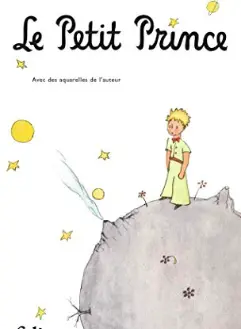 Le Petit Prince by Antoine de Saint-Exupéry.
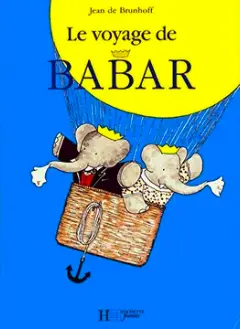 Le Voyage de Babar by Jean de Brunhoff.
 Les Fourmis by Bernard Werber.
 Madame Bovary by Gustave Flaubert.
 La Peste by Albert Camus
 Vingt Mille Lieues Sous Les Mers by Jules Verne
French pronunciation can be one of the hardest things for native English speakers to master, due to its many liaisons, which are sounds French speakers make to link words, its intonation, and its many silent letters. To make it easier for you to sound more like a native, here are some useful tips to improve your pronunciation.
Want to read more about French pronunciation? Check out some of these articles on the matter on our blog:
If you’re finding it hard to remember words in French and you’re tired of memorising long lists of words, take a look at these fun ways of expanding your vocabulary that you can start using right now.
One of the best methods to learn new French words is to read as much as you can. By reading the same words and phrases over and over again, you’ll be able to use new vocabulary in context, which is much more effective than simply memorising lists of words. To make the best use of this simple method, it’s best to write down every new word you find in a notebook or app and then look it up in a dictionary like Le Dictionnaire vivant de la langue française or Dictionnaire Français en ligne - Larousse. If you do this, your vocabulary will expand in no time.
When you first start learning a language, it can be tough to decide what kind of words you should learn first. In addition to basic vocabulary like greetings, simple questions, and ways of introducing yourself, you should look up words that relate to yourself. For example, if you love playing basketball and it’s a big part of your life, you could start by looking up words that help you talk about that subject, so you can make sentences like “I’m a basketball player” or “The basketball final is on Sunday” in French. Learning about topics that are important to you will not only keep you motivated but will also help you remember new words and phrases more easily, as you’ll establish an emotional connection with what you’re studying and use these expressions in your everyday conversations.



An efficient way to memorise new words is to use flashcards. Although it can seem old-fashioned to use them, nowadays you don’t even have to make your own deck, as there are amazing apps like Anki or Quizlet where you can find really useful flashcards made by other French learners. If you develop the habit of studying with flashcards every week, you’ll be able to remember new French words effortlessly, so if you’ve never tried them, try any of these apps out, and you won’t regret it.